8th Pay Commission May Add ₹1.8 Lakh Crore to Govt Expenditure, Says Report
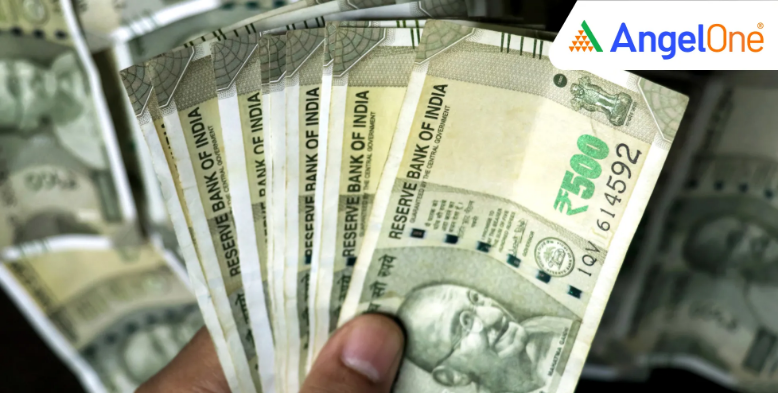

The upcoming 8th Pay Commission is likely to bring a significant financial impact for the Indian government, with estimates pointing to a potential salary and pension hike of 30–34%, according to a report by Ambit Capital.
If implemented, the revised pay structure could come into effect by 2026 or FY27, affecting more than 1 crore central government employees and pensioners across the country.
Key Financial Impact of the 8th Pay Commission
Ambit Capital projects that the proposed salary revision could add a burden of ₹1.8 lakh crore to the central government’s budget. This includes the increased payout for both serving employees and pensioners, across departments including the armed forces.
Currently, pay and pension structures are based on the 7th Pay Commission, which was implemented in January 2016. Traditionally, a new pay commission is constituted every ten years to account for changes in inflation, cost of living, and economic conditions.
What to Expect in the 8th Pay Commission?
One of the most anticipated aspects of the 8th Pay Commission is the fitment factor, which determines the increase in basic salary. Ambit Capital suggests the next commission may propose a fitment multiplier ranging from 1.83 to 2.46.
Here’s what that could mean:
- If the multiplier is 1.83, the minimum salary may rise from the current ₹18,000 to ₹32,940
- If it reaches 2.46, it could go up to ₹44,280
These figures are purely estimates at this stage, but they reflect the potential scale of impact on both government finances and household incomes.
Who Stands to Benefit?
The expected salary revision will apply to:
- Central government employees
- Pensioners
- Defence personnel
This broad coverage will likely generate widespread public interest and could influence consumer spending and inflation once implemented.
Read More:8th Pay Commission Delay: Central Government Employees, Pensioners Voice Growing Concerns.
Conclusion
While the 8th Pay Commission is still in the early discussion phase, its potential implications for both government finances and employee compensation are significant. With over 1 crore central government employees and pensioners likely to be affected, stakeholders will closely monitor further developments. The actual financial and economic impact will depend on the final recommendations and the timing of implementation.
Disclaimer: This blog has been written exclusively for educational purposes. The securities mentioned are only examples and not recommendations. This does not constitute a personal recommendation/investment advice. It does not aim to influence any individual or entity to make investment decisions. Recipients should conduct their own research and assessments to form an independent opinion about investment decisions.
Published on: Jul 21, 2025, 4:40 PM IST

Neha Dubey

- Bajaj Life Insurance Launches Global Wealth Builder Policy Through GIFT City
- Can ₹2,500 a Month Grow to ₹2 Crore? Step Up SIP Calculator Explains the Maths
- Department of Posts Approves 60-Day Bonus for Eligible Employees for 2025-26
- EPFO Scheme: ₹15,000 Incentive for First-Time Employees Under Pradhan Mantri Viksit Bharat Rozgar Yojana
- SGB 2020-21 Series VII Delivers 192% return as RBI Opens Premature Redemption on October 19, 2026
Related Articles



Enjoy ₹0 Account Opening Charges
Get the link to download the App


