Auto Sweep Limit on SBI MOD Scheme Raised to ₹50,000: Here’s All You Need to Know
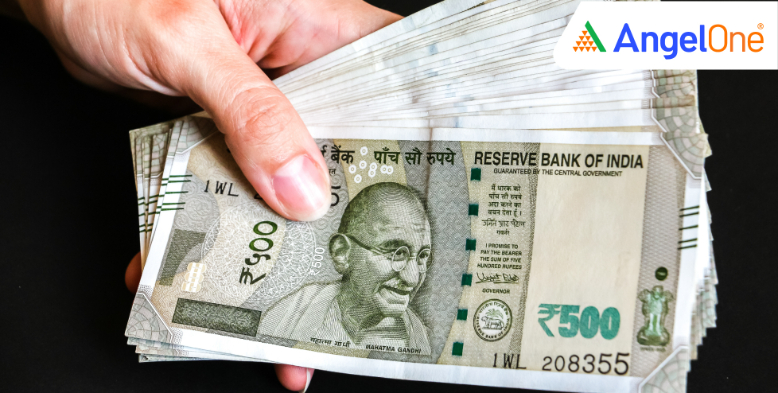

The State Bank of India (SBI) has recently increased the minimum threshold limit for its auto sweep facility from ₹35,000 to ₹50,000. This change was informed to customers via email, stating that the next MOD (Multi Option Deposit) will now be triggered at ₹50,000.
Here's a simple breakdown of what this means and how the SBI MOD scheme works.
What is the SBI MOD (Multi Option Deposit) Scheme?
The MOD scheme is a special type of fixed deposit linked to your savings account. When your savings account balance crosses a certain limit (now ₹50,000), the extra money is automatically transferred to a fixed deposit (MOD) to earn higher interest than a regular savings account.
How Does the SBI MOD Scheme Work?
- Any balance in your savings account above ₹50,000 is moved to a MOD.
- If you need money and your savings account doesn’t have enough funds, funds will be automatically moved back from the MOD to your savings account.
- This is called a reverse sweep, and it helps you maintain liquidity while earning more on extra funds.
Interest and Penalty
- MODs earn higher interest, compounded and paid quarterly.
- If you break the deposit early (for example, due to a withdrawal), you may get a lower interest rate and may also face a small penalty on the broken amount.
- The remaining amount in the MOD continues to earn interest.
- TDS (Tax Deducted at Source) is applied as per rules.
Special Benefits for Senior Citizens
- Senior citizens are eligible for extra interest on MODs.
- However, super senior citizens (generally those above 80 years) are not eligible for additional interest under current rules.
How is the Money Withdrawn (Reverse Sweep)?
- Withdrawals happen in units of ₹5,000 or more.
- If the remaining amount in a MOD falls to ₹15,000, the entire balance is moved back to the savings account.
- Withdrawals usually happen from the latest deposit first (LIFO), but customers can choose FIFO if they prefer.
SBI MOD Scheme Maturity Process
When your MOD matures, the bank automatically transfers the principal and any remaining interest (after withdrawals) to your savings account.
Read more: EMI Calculator: How Much Interest Will You Pay on a ₹5,00,000 Personal Loan for Your Wedding?
Conclusion
SBI’s move to increase the auto sweep limit to ₹50,000 means that customers now need to maintain a higher balance before extra funds start earning higher interest. The MOD scheme is a smart way to make the most of your idle savings without compromising on liquidity. For those who often maintain a high balance, this can be a helpful tool to grow savings more efficiently.
Disclaimer: This blog has been written exclusively for educational purposes. The securities mentioned are only examples and not recommendations. This does not constitute a personal recommendation/investment advice. It does not aim to influence any individual or entity to make investment decisions. Recipients should conduct their own research and assessments to form an independent opinion about investment decisions.
Investments in the securities market are subject to market risks. Read all the related documents carefully before investing.
Published on: Sep 11, 2025, 2:20 PM IST


- Bajaj Life Insurance Launches Global Wealth Builder Policy Through GIFT City
- Can ₹2,500 a Month Grow to ₹2 Crore? Step Up SIP Calculator Explains the Maths
- Department of Posts Approves 60-Day Bonus for Eligible Employees for 2025-26
- EPFO Scheme: ₹15,000 Incentive for First-Time Employees Under Pradhan Mantri Viksit Bharat Rozgar Yojana
- SGB 2020-21 Series VII Delivers 192% return as RBI Opens Premature Redemption on October 19, 2026
Related Articles



Enjoy ₹0 Account Opening Charges
Get the link to download the App


